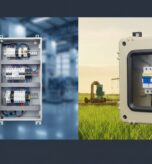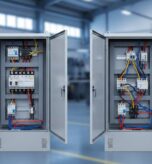



Selecting the right control panel is crucial for ensuring safe, efficient, and uninterrupted motor operation. Whether used in industrial plants or agricultural fields, a well-designed control panel not only controls motor functions but also protects valuable equipment from electrical failures.
This practical guide will help you understand how to choose the right control panel based on application, motor type, and operating conditions.
Why Control Panels Matter for Motor Performance
Motor control panels act as the central command system for motors. They manage power distribution, control starting and stopping, and provide essential protection against faults such as overloads, voltage fluctuations, and phase failures.
Without the right control panel, motors are exposed to:
- Frequent breakdowns
- Reduced efficiency
- Higher maintenance costs
- Safety hazards
Therefore, choosing the correct panel is not an option—it’s a necessity.
Understand Your Application Requirements
The first step in selecting the right control panel is understanding where and how the motor will be used.
Industrial Motors
Industrial environments typically involve:
- Continuous operation
- Heavy loads
- Frequent start-stop cycles
These applications require robust control panels with advanced protection, reliable contactors, and precise overload relays.
Agricultural Motors
Agricultural motors often operate in:
- Dusty or humid conditions
- Remote locations
- Variable power supply situations
Here, panels must be weather-resistant, easy to operate, and capable of handling voltage fluctuations.
Choose the Right Type of Control Panel
Different motors require different control strategies:
- DOL Control Panels – Ideal for small to medium motors with high starting torque needs
- Star-Delta Control Panels – Suitable for large motors where reduced starting current is required
- Submersible Pump Control Panels – Designed with dry-run, single-phasing, and overload protection
- Auto Control Panels – Enable automatic motor operation based on water level or load conditions
Selecting the correct panel type ensures both performance and protection.
Key Features to Look for in a Motor Control Panel
When choosing a control panel, always consider these essential features:
- Protection Devices: Contactors, overload relays, MCBs, and fuses
- Voltage Protection: Safeguards against low and high voltage
- Automation Options: Manual or auto operation flexibility
- Panel Enclosure: Dust-proof and weather-resistant construction
- Ease of Maintenance: Clear wiring and accessible components
These features directly impact motor lifespan and operational reliability.
Importance of Quality Components
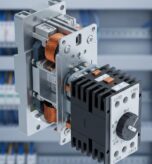
Even the best panel design will fail without quality components. Reliable contactors and overload relays ensure accurate switching and timely fault protection. Inferior components may reduce initial cost but lead to frequent failures and higher long-term expenses.
Why Choose Paragon Engineers for Control Panels?
At Paragon Engineers, we manufacture high-quality industrial and agricultural motor control panels built for durability, safety, and performance.
Our control panels offer:
- Application-specific designs
- High-grade electrical components
- Compliance with industry standards
- Long service life in Indian operating conditions
Need the Right Control Panel for Your Motor?
Let the experts at Paragon Engineers help you choose the perfect control panel for your industrial or agricultural application. Share your motor specifications, and we’ll deliver a reliable, cost-effective solution tailored to your needs.
Contact Paragon Engineers today for dependable motor control solutions that last